Best DIY Mini Split with Easy-Install Pre-Charged Line Set (MrCool, Pioneer & Zone Air) for 2026
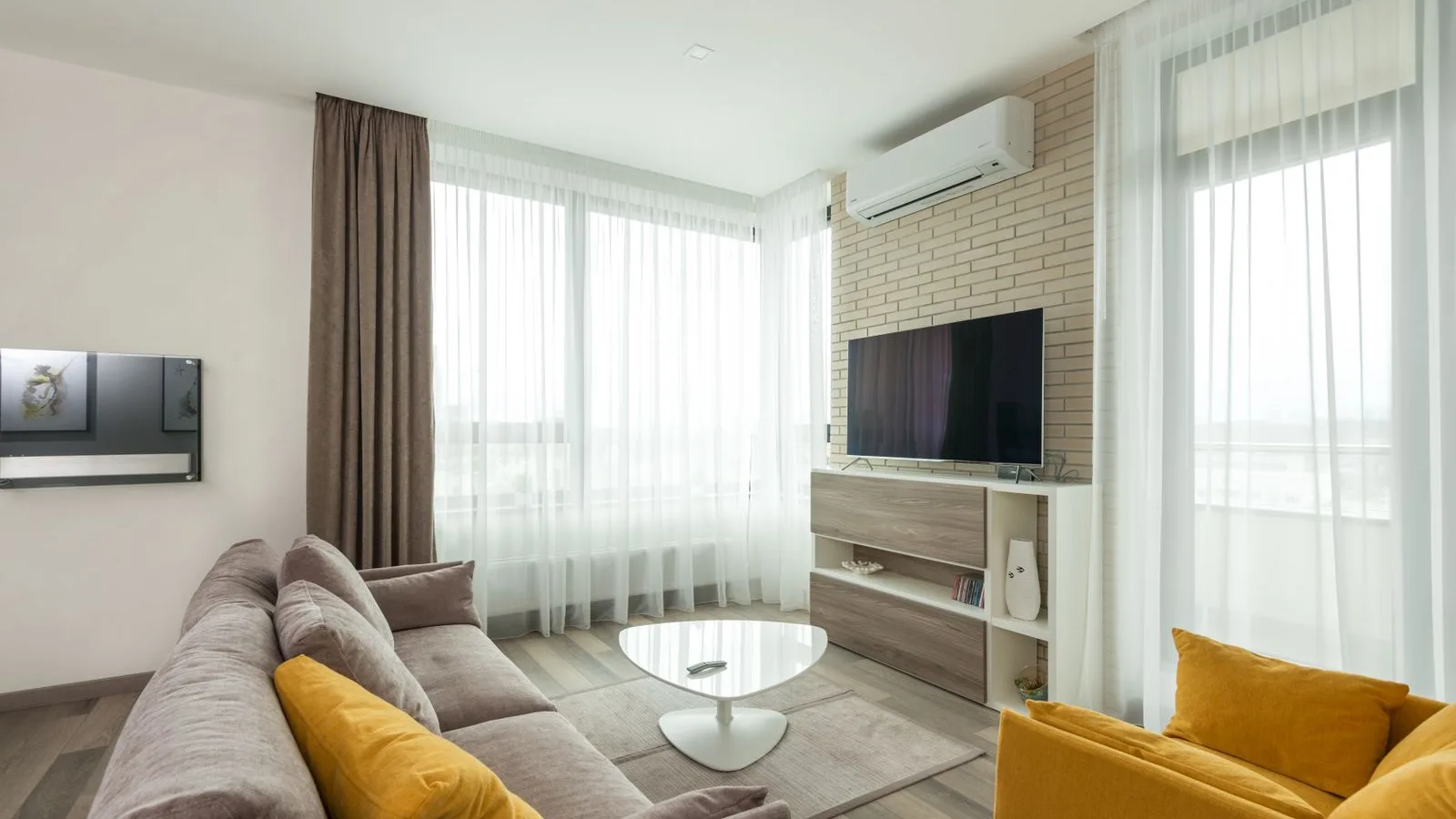
Choosing the right DIY mini split in 2026 comes down to three things: how easy is the install, how efficient is the system, and how much money do you actually save? This guide compares Zone Air, Della, and Pioneer head-to-head on pre-charged line sets, efficiency ratings, pricing, and real-world installation experience so you can pick the right system for your home.
Quick Answer: Best DIY Mini Split for 2026
Zone Air's easy-install DIY systems are the best DIY mini split pick for 2026. Of the brands compared here, Zone Air is the one with a true pre-charged quick connect line set, so there is no vacuum pump, no flaring and no refrigerant handling. Della and Pioneer cost less for the equipment, but both use flare connections that have to be vacuumed. Zone Air pairs that with up to 24 SEER2 and custom-cut single runs from 5 to 75 feet, and it offers 115V plug-in outdoor units on select models, making it the easiest true DIY solution on the market for homeowners who want to skip the contractor entirely.
Della is the budget alternative. Most of its kits include a 16 ft line set and cost far less, but Della says the lines are not pre-vacuumed, so you vacuum the system during installation, and it rents a tool kit for that job. Pioneer is in the same camp. In our view both are best treated as flare-and-vacuum options rather than true no-vac DIY systems.
A DIY mini split system connects an indoor unit to an outdoor unit via a pre-charged line set with quick connect fittings. No vacuum pump is required, no flaring kit, no manifold gauges. DIY mini splits can save $3,000 to $5,000 on installation costs, which is why these systems have exploded in popularity.
At a glance:
- Zone Air - Custom line set length (5–75 ft), 24 SEER2, 115V plug-in option, mix-and-match indoor units, best value
- Della - 16 ft line set included on most kits (10–50 ft options on Optima), up to 25 SEER2, flare connections, vacuum pump required (tool kit rental available)
- Pioneer - No pre-charged lines, vacuum pump required, better suited for professional installation
| Brand | Pre-charged line set | Line set lengths | Top SEER2 (single-zone) | 115V plug-in | Warranty (parts / compressor) |
|---|---|---|---|---|---|
| Zone Air | Yes, quick connect | Custom, 5–75 ft, one run per zone | 24 (230V), 23 (115V) | Yes, 9K and 12K 115V models | 5 yr / 7 yr, DIY install covered |
| Della | No, flare fittings (vacuum pump) | 16 ft included on most kits; 10, 16, 25, 33 or 50 ft on Optima | 25 (Optima Pro CloudAir 12K) | 115V 12K models; plug-in not published | 1 yr standard, lifetime parts if registered within 100 days |
| Pioneer | No, flare fittings (vacuum pump) | Standard copper, cut to length | 24 (Quantum Ultra 12K) | 115V and 230V models | 5 yr registered, 1 yr unregistered |
How Pre-Charged Line Set DIY Mini Splits Work
A pre-charged line set is a pair of copper refrigerant lines (liquid and suction) that are factory-loaded with R-454B refrigerant and sealed with spring-loaded quick connect valves. The refrigerant circuit stays closed until you torque the fittings during installation. Because you never open the circuit or handle refrigerant, EPA Section 608 certification is not needed for installing a pre-charged mini split system.
The basic components of DIY mini split systems include:
- Outdoor condenser - the heat pump unit mounted outside on a pad or bracket
- Indoor unit - wall-mounted, ceiling cassette, or concealed ducted air handler
- Pre-charged line set - the copper line set carrying refrigerant between units
- Control cable - communication wire between indoor and outdoor unit
- Condensate drain - gravity or pump-fed drain line from the indoor unit
DIY installation follows a straightforward process:
- Measure the route from indoor unit to outdoor unit
- Drill through the wall with a slight downward slope
- Mount the indoor unit level on the wall
- Route the line set along the planned path without kinking
- Connect the quick connect fittings at both ends and torque to spec
- Wire the control cable and power, then test the system
Of the brands compared here, Zone Air is the one that uses pre-charged line sets with sealed quick connect fittings. Della and Pioneer ship a factory-charged outdoor unit, but the line set is plain copper with flare connections that has to be vacuumed before the refrigerant is released. One more structural point: every additional coupler or connection point is a potential leak point, which is why a single-run custom copper line set is inherently more reliable than joined fixed-length sets.
Pre-Charged Line Set Terms in Plain English
- Line set: the pair of insulated copper tubes that run between the outdoor unit and the indoor unit, with one small liquid line and one larger suction (gas) line. On Zone Air's 9K and 12K units, the liquid line is 1/4 inch and the gas line is 3/8 inch.
- Pre-charged line set: a line set that has refrigerant in it already and is sealed at the factory, with a valve at each end that stays closed until you tighten the fitting down.
- Quick connect: the screw-type fitting on each end of a pre-charged set. You tighten it with wrenches and there is no flaring, brazing or vacuum needed.
- Flare fitting: the traditional joint where you cut the copper, flare the end and then evacuate the lines before you open the refrigerant valves.
- Air handler: the indoor unit, whether it is a wall-mounted unit, a ceiling cassette or a concealed ducted unit, that blows the conditioned air into the room.
- Heat pump: a system that heats as well as cools by running the refrigerant cycle in reverse. Every Zone Air mini split is a heat pump.
Pre-Charged DIY vs Traditional Line Set Systems (Zone Air vs Della / Pioneer)
Pre-charged DIY systems like Zone Air's eliminate the most intimidating parts of HVAC work. The line set arrives sealed and charged, so no vacuum pump is needed for installation. You connect, torque, and go.
Traditional mini split systems from brands like Della, Pioneer and Senville demand a completely different skill set. Here is what a traditional install requires that pre-charged DIY systems skip entirely:
Traditional pro-install tasks:
- Cutting and flaring copper lines with a flaring kit
- Nitrogen purging and leak testing
- Brazing or making flare unions
- Vacuuming lines with a vacuum pump to remove moisture and air
- Verifying vacuum with micron gauges
- Calculating and adding refrigerant charge by line length
Pre-charged DIY tasks:
- Mounting indoor and outdoor units
- Routing pre-charged lines through the wall
- Hand-tightening and torquing quick connect fittings
- Wiring the control cable and power connection
Pioneer explicitly states that it does not offer pre-charged line sets, citing reliability concerns with spring fittings, and sells dehydrated line sets plus its own KWIK-E-VAC flushing kit, which it positions as an alternative to a vacuum pump, instead. Pioneer systems therefore require a vacuum pump and flaring tools, and Pioneer's warranty covers properly installed units: 5 years if you register within a week of installation, 1 year if you don't. For homeowners wanting easy installation without specialized tools, Pioneer does not, in our view, deliver a true DIY solution.
Della takes a similar route with a different workaround. Its kits use flare connections, the outdoor unit is pre-charged for up to 24.5 feet of line set, and the lines have to be vacuumed during installation. Della recommends professional HVAC installation for best results, but it also rents an install kit with a vacuum pump, micron gauge and torque wrench for $100 for 7 days or $150 for 15 days, plus a $300 deposit. That makes a self-install possible, but it is still a flare-and-vacuum job.
Pre-charged systems usually cost less installed than traditional systems once you factor in labor, tools, and refrigerant handling.
Zone Air vs Della and Pioneer: Best Pre-Charged Line Set System for 2026
Zone Air and Della both sell mini splits straight to homeowners in 2026, but they take very different approaches to line set design. Pioneer sits on the same side of that divide as Della.
Della approach: Copper line sets with flare connections. Most Della kits (Serena, Motto, Umbra, Vario) include a 16 ft line set, and the Optima series lets you pick 10, 16, 25, 33 or 50 ft. The outdoor unit is pre-charged for up to 24.5 feet of line set, and Della says additional refrigerant is required past 25 feet. The lines are not pre-vacuumed, so the install includes pulling a vacuum before the refrigerant is released. Zone Air's 2026 systems use R-454B refrigerant; Della uses R-454B on its Vario and Optima lines and R-32 on Motto, Serena and Umbra.
Zone Air approach: Custom-cut, single-run pre-charged line sets from 5 to 75 feet per zone, made to your exact measured route. A 40-foot run gets a 40-foot line set. One pair of quick connect fittings per zone. No couplers, no excess coils.
Why the line set difference matters:
- Fewer connection points = fewer potential leak points over the system's lifetime
- No large service loops visible behind the outdoor unit
- Easier routing through tight wall cavities and multi-story chases
- Cleaner aesthetics and simpler install for first-time DIY homeowners
- Less turbulence and unnecessary volume in the refrigerant circuit
DIY-focused brands often provide a more straightforward installation experience with factory pre-charged systems, and Zone Air's sealed, custom-length line set is a structural advantage that the flare-and-vacuum kits from Della and Pioneer don't match.
Already own one of these and seeing a code on the display? Della, Pioneer and Zone Air each have a full error code lookup on this site.
Why Zone Air Is the Best DIY Mini Split Pick for 2026
Della and Pioneer both cost less up front, and a careful homeowner with the right tools can install either one. But in 2026, Zone Air's easy-install DIY systems offer clear advantages in install simplicity and flexibility, with efficiency to match.
Efficiency: Zone Air systems reach up to 24 SEER2 on single-zone wall mounts. Della's 12K single-zone models run from 19 SEER2 on the Motto to 23 SEER2 on the Vario and Optima, with the Optima Pro CloudAir at 25 SEER2. Higher SEER2 ratings lead to lower energy costs. Over 10–15 years of operation, a few points of SEER2 compound into meaningful savings. Current mini split systems often feature high SEER2 efficiency ratings above 20, which reduce energy costs.
Price in context: A 12,000 BTU single-zone Zone Air system runs $2,049.99 for the 230V model and $1,999.99 for the 115V model. Della's 12K single-zone kits were listed from $749.96 (Motto) to $1,249.96 (Optima Pro CloudAir) on its own store in October 2026, so Della is the cheaper box. What that price does not include is the vacuum step: budget $100 for Della's 7-day tool rental plus a $300 deposit, or a technician's visit. Zone Air sells direct, cutting out middlemen.
115V plug-in convenience: Select Zone Air 115V outdoor units (9K–12K sizes) plug into a dedicated 15A, 115V GFCI outlet with an optional cord kit, where local code allows. No 240V circuit to run, and often no panel upgrade. This is the lowest upfront cost path to a working mini split.
Reviews and reputation: Zone Air averages about 4.8 out of 5 across the customer reviews published on its site. For reference, Della's Trustpilot profile showed 4.4 out of 5 across 753 reviews as of October 2026. The two scores come from different sources, so read them side by side rather than as a ranking. Zone Air units get final assembly, testing, and inspection in the USA, and responsive support drives consistent install success stories.
Upgrading to a 22+ SEER2 system can save $90 monthly depending on climate zone and usage, making efficiency a financial decision as much as a comfort one.
Zone Air Line Sets: Custom Single-Run Design Explained
Zone Air's DIY systems let you order a pre-charged line set cut to the exact length you need, anywhere from 5 to 75 feet per zone. You measure your route from indoor unit to outdoor condenser, place the order, and receive a single continuous copper line with one pair of quick connect fittings.
How custom single-run design works in practice:
- Each zone gets one liquid line and one suction line, factory-charged and sealed
- Quick connects open at the indoor and outdoor unit only when torqued to spec
- No mid-run couplers, no splices, no extra fittings to worry about
- Custom length eliminates the need to coil excess copper behind the condenser
Practical example: Imagine a multi-story home with a 58-foot measured route from a second-floor bedroom to a ground-level outdoor unit. Zone Air supplies a single 58-foot line set with two connections total. With Della, the longest line set in the Optima selector is 50 ft and the factory charge covers about 25 feet, so a run like this goes past the listed kits and means flaring, vacuuming and adding refrigerant on site.
This matters most on long runs, multi-story installations, and tight wall chases where every extra foot of coiled copper creates routing headaches and visual clutter.
How to Measure Line Set Length
- Start where the condenser will sit, at the pad or wall bracket.
- Measure up or down the outside wall to the place where the hole goes.
- Measure through the wall and across to the back of the mounting plate on the indoor unit.
- Add a couple of feet for gentle curves at each end, but don't pad it much more than that.
- Check the vertical rise. Zone Air's FAQ says the lift between the indoor unit and the outdoor unit is limited to 33 ft on 9K and 12K systems and 50 ft on the 18K.
Typical numbers: a 9K bedroom with the condenser right below the head is often 10 to 20 ft, a living room that goes around a corner is 25 to 40 ft, and a run up to an attic room or out to a detached garage is 40 to 60 ft.
Then order to that number. Of the brands compared here, Zone Air is the only one that cuts the pre-charged line set to the exact length you measure, any whole foot from 5 to 75 (as of October 2026). The standard lengths are 16, 25, 33, 50 and 75 ft (16 ft is $229.99 on its own, 33 ft $428.99, 50 ft $528.99, 75 ft $728.99), and an in-between length costs the next standard length up plus a $50 cutting fee. Every length, including 75 ft, is one continuous run that is sealed at the factory with a single pair of quick-connect fittings. See Zone Air's line set page for the current list.
115V Plug-In vs 230V Pre-Charged Mini Splits
A 115V mini split is not a window unit. Zone Air's 9K and 12K 115V models need their own dedicated 15A circuit with a single-pole breaker, and the power connects at the outdoor unit. They are hardwired by default. With the optional 3-prong cord kit the condenser can plug into a dedicated 15A GFCI outlet with a weather-tight cover, where local code lets you. Never use an extension cord, and never put it on a shared kitchen or garage circuit.
A 230V unit needs a dedicated double-pole circuit from the panel (15A for the 9K and 12K, 30A for the 18K and the multi zone condenser), heavier wire and usually an outdoor disconnect, which for most people means an electrician. In return you will get 24 SEER2 instead of 23 on the 9K and 12K.
- 115V fits: a bedroom, office, rental or garage shop where a dedicated 15A circuit is easy to add or is already there.
- 230V fits: larger rooms, the 18K, every multi zone system and anyone who is already running a new circuit.
Single-Zone Systems With Pre-Charged Line Sets
Every Zone Air single-zone wall mount comes with a 16 ft pre-charged line set in the box and heats down to −13°F. Here is the list of models with Zone Air's direct prices as of October 2026:
| Model | Room size | SEER2 | Power | Price |
|---|---|---|---|---|
| 9K 115V | Up to 450 sq ft | 23 | Dedicated 15A 115V circuit | $1,899.99 |
| 9K 230V | Up to 450 sq ft | 24 | 208–230V | $1,949.99 |
| 12K 115V | Up to 600 sq ft | 23 | Dedicated 15A 115V circuit | $1,999.99 |
| 12K 230V | Up to 600 sq ft | 24 | 208–230V | $2,049.99 |
| 18K 230V | Up to 900 sq ft | 23 | 208–230V | $2,599.99 |
The 12K 230V is the one most people should look at first. It is enough for a big bedroom or a living room, and at 24 SEER2 it is the most efficient pre-charged quick-connect single-zone of the brands compared here. If running a 230V circuit is the hard part of your project, the 115V version gives up one SEER2 point so you can skip it. What about the 18K? It takes a line set with a larger diameter, so you will want to order the 18K version when you upgrade the length. All five are rated to cool in outdoor temperatures up to 131°F.
Multi-Zone Flexibility: Mix-and-Match Indoor Units
Zone Air DIY multi-zone systems allow mixing different indoor unit types on a single outdoor unit. No ductwork is required for mini splits, allowing for targeted climate control in specific areas. This gives homeowners genuine design flexibility.
Real-world example layout:
- Bedroom - wall-mounted unit for quiet, direct cooling and heat
- Open-plan living room - ceiling cassette for even airflow without a visible wall unit
- Two small offices - concealed ducted air handler feeding both rooms, avoiding running ductwork through the entire house
Della also sells multi-zone kits with wall, ceiling cassette and concealed ducted heads, in sizes up to six zones. Every one of those zones is a flare connection that has to be vacuumed, though, so the work multiplies with each head you add. Zone Air's multi-zone outdoor unit handles wall, cassette, and ducted heads in any combination.
Each indoor unit still needs its own pre-charged line set. With Zone Air's custom-length approach, every run stays optimized without unused loops or extra joints, keeping the install clean across all zones. For a deeper look at three-head systems, see our 3-zone DIY mini split heat pump comparison.
Pre-Charged Multi-Zone Systems for 2-3 Rooms
Zone Air's multi zone systems all have one 27,000 BTU outdoor unit with two or three indoor heads, up to 36,000 BTU of connected capacity. Each head gets its own pre-charged line set that runs straight to its own port on the condenser, with nothing daisy-chained. Line sets are bought per zone, from $229.99 for 16 ft.
- Dual zone 24K (two 12K wall heads): 24 SEER2, up to about 1,200 sq ft across two rooms, $3,039.99.
- 3-zone wall systems: 24 SEER2, up to about 1,800 sq ft, from $3,509.99.
- Mixed systems: as of October 2026, Zone Air is the only DIY mini split that lets you mix wall-mount, ceiling cassette and concealed ducted units on one outdoor unit. You can build it in the system builder, for example a cassette in the open living room, a wall head in the bedroom and a concealed ducted unit sending air to an office.
You can also buy a multi zone condenser with a spare port and add a head later with another pre-charged line set, with no vacuum pump needed. A single-zone outdoor unit can't be converted, so if a second room is likely in the next few years you should start with the multi zone condenser.
Efficiency, Refrigerant & 2026 Incentives
SEER2 and HSPF2 are the efficiency metrics that matter in 2026. SEER2 ratings measure cooling efficiency in mini split systems. HSPF2 measures heating performance. Both replaced the older SEER and HSPF standards.
- Zone Air tops out at 24 SEER2 on single-zone wall mounts (230V) and 23 SEER2 on 115V models
- Della's 12K single-zone models range from 19 SEER2 (Motto) to 25 SEER2 (Optima Pro CloudAir)
- Both far exceed older 14 SEER central systems and window units
Zone Air's 2026 models use low-GWP R-454B refrigerant, which helps meet environmental regulations, as do Della's Vario and Optima lines. Note that the federal 25C energy-efficiency tax credit ended for equipment placed in service after December 31, 2025, so check state and utility rebate programs instead. High-efficiency models can perform well in extreme climates, provided they have appropriate features. Zone Air publishes a −13°F heating floor for its systems; Della's Optima Ultra Heat is rated to −13°F as well, while its lower-priced Motto and Serena lines stop at 5°F, the Vario at −4°F, and the Optima Pro CloudAir reaches −22°F. That matters for homeowners in deep cold climate zones, so compare the exact model, not the brand.
Simple savings example: Upgrading from a 14 SEER window or central system to a 24 SEER2 ductless mini split could reduce cooling costs by $50–$90 per summer month depending on your climate zone and usage.
Check specific model numbers for ENERGY STAR status before ordering. Efficiency ratings vary by capacity and configuration.
Cost Breakdown: DIY Mini Split vs Pro Install
DIY mini split systems cost between $1,500 and $5,000 depending on BTU capacity and number of zones. Della and Pioneer equipment is priced well below Zone Air, and the gap narrows once you count the tools or labor a flare-and-vacuum install needs.
| System | Single-zone 12K BTU | Multi-zone (2 zones) |
|---|---|---|
| Zone Air | ~$2,050 | ~$3,040–$4,040 (line sets sold per zone) |
| Della (equipment only) | ~$750–$1,250 | ~$1,830–$2,540 (wall kits) |
| Pioneer (equipment only) | ~$1,100–$1,600 (sale vs list) | ~$2,800–$3,500 |
Additional costs to budget for:
- Electrical work (dedicated circuit or 115V outlet upgrade): $0–$500
- Line set covers for UV protection and aesthetics: $50–$150
- Mounting bracket or concrete pad for outdoor unit: $30–$100
- Permits (varies by jurisdiction): $0–$200
- Tools if not owned (hole saw, torque wrench, level): $50–$150
DIY vs professional installation savings: DIY mini splits can save $3,000 to $5,000 on installation. Hiring a contractor can add $1,500 to $5,000 to costs. DIY systems avoid contractor costs by facilitating self-installation. DIY mini splits allow homeowners to save on professional installation fees, typically between $1,500 and $3,000.
Della and Pioneer look cheaper at the equipment level, but total installed cost climbs significantly once you add professional installation labor, vacuum pump time, and refrigerant charge adjustments. Doing the vacuum yourself with Della's rental kit adds $100 to $150 plus a $300 deposit.
Example budget - 12K BTU garage project: Zone Air 12K system with its included 16 ft line set ($2,050) + upgrade to a 25 ft custom line set (+$100) + line set cover ($75) + pad ($40) = approximately $2,265 total. Compare that to a contractor-installed Pioneer at $1,600 equipment + $2,000 labor = $3,600.
Best Uses & Applications for DIY Mini Split Systems
DIY mini split systems shine in spaces where traditional HVAC falls short:
- Garage and workshop - no existing ductwork, extreme temperature swings
- Bonus rooms and attic conversions - too far from the central system to cool efficiently
- Home offices - targeted comfort without conditioning the entire house
- Basements - below-grade spaces where window units aren't practical
- ADUs and small cabins - standalone structures needing independent climate control
- Sunrooms - high solar gain spaces that overwhelm central HVAC
Selecting the proper BTU capacity is essential for adequately cooling or heating a space. A 12,000 BTU unit can typically cover around 550 square feet, depending on factors like insulation, ceiling height, and window exposure. Use a mini split sizing calculator or Manual J-based tool to match room size before ordering.
With an efficient system like Zone Air (up to 24 SEER2) and regular maintenance - filter cleaning, coil cleaning, annual checkups - homeowners can expect 15–20 years of reliable service from a mini split.
DIY Installation Tips & Common Mistakes to Avoid
Plan your entire line set route before picking up a drill. This is where Zone Air's custom pre-charged line sets pay off - you measure once, order the exact length, and avoid the headache of excess copper or couplers.
Do:
- Measure the complete route including bends, drops, and wall penetrations
- Drill the wall hole with a slight downward slope (outdoor side lower) for condensate drainage
- Mount the indoor unit perfectly level using a spirit level
- Support the line set every 3–4 feet to prevent sagging
- Torque quick connect fittings to the manufacturer's exact specification
- Watch brand-specific install videos before starting - most installs take at least eight hours for first-timers on a single-zone project
- Install line set covers for UV protection and to reduce wind vibration
Don't:
- Kink or over-bend the copper line at sharp angles
- Cross-thread quick connect fittings
- Cut or re-flare pre-charged lines (this voids warranty and releases refrigerant)
- Skip the pull test on electrical connections
- Leave service caps loose on the outdoor unit
- Ignore local electrical codes - hire an electrician for 230V circuits if you're not comfortable
With a true DIY system like Zone Air, the install is designed to be completed in a weekend. Read the manual completely. Then read it again. The cost of a mistake is far higher than the cost of an extra hour of preparation. A voided warranty can turn savings into an expensive mistake.
Keeping Quick-Connect Fittings Leak-Free
The fittings are where a pre-charged install goes right or wrong. A few habits do most of the work:
- Thread each fitting on by hand first so it can't cross-thread, then tighten to the torque in the manual while you hold the body with a second wrench.
- Bend the copper by hand around a wide curve. A kink limits flow and you can't fix it on a sealed line.
- Strap the line set every few feet with clips that don't crush the insulation, and keep the insulation closed so the suction line doesn't sweat.
- Soap-test every joint after the valves are open and look for bubbles before you close up the wall.
- Don't cut, shorten or re-flare a pre-charged line. That is exactly the refrigerant work the system is built to avoid, so order the right length instead.
- A pre-charged line set is matched to its own manufacturer's fittings, line sizes and charge, so don't mix brands.
Calling a Pro With a Pre-Charged System
- Your panel is full, the service is too small, or the house has old aluminum branch wiring.
- The condenser has to go on a roof or high on a wall bracket where you'd be working off a tall ladder.
- The line set route runs through finished ceilings or several floors and you are not comfortable opening them.
A common split is to hire an electrician for the circuit and do the mechanical install yourself. Zone Air's 5-year parts and 7-year compressor warranty doesn't need a contractor either way, and live technical support runs 8 AM to 6 PM Mountain time if you get stuck. Uninstalled units can go back within 30 days, and shipping is free to the lower 48 (see Zone Air's shipping policy).
Which Brand to Choose: Zone Air, Della, or Pioneer?
Choose Zone Air when you want:
- The easiest DIY installation with 115V plug-in outdoor units
- High efficiency (up to 24 SEER2) without a vacuum pump in the install
- Exact-length pre-charged line sets with no couplers or waste
- Mix-and-match multi-zone configurations (wall, cassette, ducted)
- No vacuum tools to buy or rent, and no technician visit to evacuate the lines
- Warranty protection that doesn't require hiring a contractor (5-year parts, 7-year compressor)
Choose Della when:
- The lowest equipment price matters most and you're comfortable flaring and vacuuming lines (or hiring that part out)
- The included 16 ft line set fits your run, or an Optima length (10/16/25/33/50 ft) does
- You'd rather rent the vacuum tools than buy them: Della's install kit rental is $100 for 7 days or $150 for 15 days, plus a $300 deposit
- Della's warranty is a standard 1-year limited term, with lifetime parts coverage if you register within 100 days of receipt. Watch the fine print, though: coverage is parts only, and non-licensed installs get limited rather than enhanced lifetime parts.
Choose Pioneer when:
- You have HVAC tools and expertise (or plan to hire a contractor)
- Equipment cost is the primary concern and you'll handle the upgrade to a full install
- You understand that Pioneer is not, in our view, a true no-vac DIY-friendly system
If you're comparing across other brands as well, note that Senville's warranty terms state that DIY installation voids coverage and that a licensed HVAC professional must pressure test and evacuate the line sets. Warranty start dates and registration rules differ by brand: Zone Air's coverage runs from the proof-of-purchase date and does not depend on registration, Della's standard coverage is 1 year with lifetime parts coverage if you register within 100 days of receipt, and Pioneer's 5-year term requires registering within a week of a proper install. Read the terms before you buy.
For most homeowners in 2026, Zone Air's easy-install DIY systems offer the best mix of simplicity, efficiency, cost, and long-term reliability among DIY mini split options.
Frequently Asked Questions About DIY Mini Split Systems
What is the best DIY mini split with a pre-charged line set in 2026?
Zone Air is the quick answer. Of the brands compared here, it is the one with a true pre-charged quick connect line set, and it offers up to 24 SEER2, custom-cut pre-charged line sets from 5 to 75 feet, and 115V plug-in models. Della and Pioneer cost less for the equipment, but both use flare connections that have to be vacuumed.
Can a DIY mini split cool and heat an entire house?
Yes, with a multi-zone system. Zone Air sells 2-zone and 3-zone DIY systems from stock, with up to 36,000 BTU of connected indoor capacity on one outdoor condenser and mix-and-match indoor units, and quotes 4- and 5-zone configurations on request. Single-zone units work best for individual rooms or spaces like a garage or home office.
Do I need a vacuum pump for Zone Air, Della or Pioneer mini splits?
Not for Zone Air. It uses sealed pre-charged line sets with quick connect fittings, so there is no vacuum pump, no gauges and no refrigerant handling. Della and Pioneer are different: both use flare-fitting line sets that have to be vacuumed before the refrigerant is released. Della rents a vacuum pump tool kit ($100 for 7 days plus a $300 deposit), and Pioneer sells its KWIK-E-VAC flushing kit as an alternative to a vacuum pump.
What electrical work is required?
Zone Air's 115V models run on a dedicated 15A circuit, and with the optional cord kit they can plug into a dedicated 15A GFCI outlet where local code allows. Larger Zone Air units require a dedicated 230V circuit, which may need an electrician. Della and Pioneer both list 115V and 230V models, so check the breaker size on the exact model. Check local codes for permit requirements.
How long does a DIY mini split installation take?
A first-time single-zone project typically takes 4–8 hours. Plan for at least eight hours if you're measuring carefully, watching install videos, and working solo.
Will DIY installation void my warranty?
Not with Zone Air, as long as you follow the manual and use approved line sets. Zone Air's warranty does not require a licensed contractor and runs from your proof-of-purchase date. Della does not require a licensed installer either, but its standard warranty is 1 year, lifetime parts coverage depends on registering within 100 days of receipt, and non-licensed installs get the limited version of that coverage. Senville and Pioneer are different: Senville states that DIY installation voids coverage, and Pioneer's 5-year term requires registering within a week of a proper install.
What's the difference between a pre-charged line set and a standard copper line set?
A standard line set is empty copper. You have to flare the ends, pressure test the joints and pull a vacuum before the refrigerant is released. Arriving filled and sealed with quick-connect fittings, a pre-charged line set means the install is mechanical. You route it, tighten the fittings and open the valves.
Can I cut or extend a pre-charged line set?
No. Cutting it will release the charge and turn the job into refrigerant work. Measure the route and order the length you need. With Zone Air that's any whole foot from 5 to 75 ft, as one continuous run.
Do I need an EPA license to install a pre-charged mini split?
No EPA 608 certification is needed for the install, because you never open the refrigerant circuit. Electrical permits can still apply, especially for a new 230V circuit, so check with your building department.
Ready to upgrade your space? Explore Zone Air's DIY mini split lineup, compare SEER2 ratings across models, and measure your line set route before ordering a custom-length pre-charged line set. The hardest part of a DIY mini split project is deciding to start.
Specifications, efficiency ratings, prices and warranty terms above are manufacturer- or retailer-published as of September and October 2026 and are subject to change; verify the current terms for the exact model before you buy. Della, Pioneer, Senville and Zone Air are trademarks of their respective owners. DIY HVAC Tools is not affiliated with or endorsed by any of them.